Start with the parts of the yard you actually use
A drought-resistant yardscape is a design decision before it is a plant list. Mark the places where you sit, play, walk, or need a clear view. Keep useful lawn where it earns its water, and consider changing the awkward strips and corners that are difficult to irrigate well. A smaller, intentional lawn can feel more generous than a thin green carpet around everything.
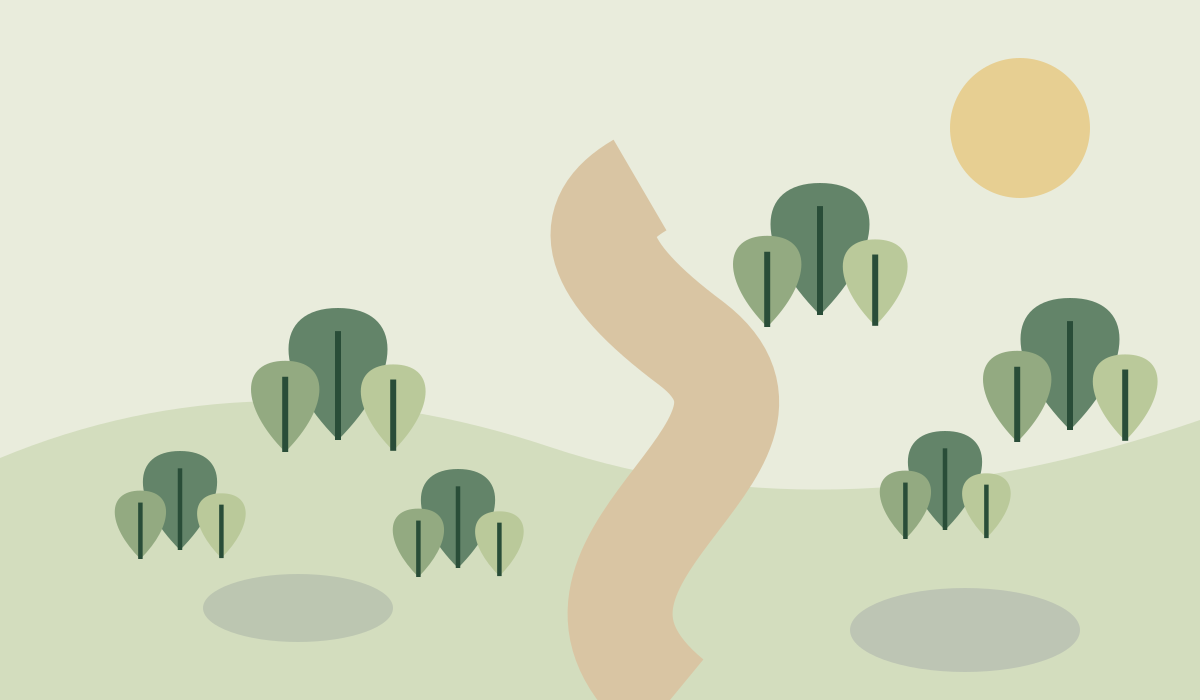
Draw one simple route from the door to your favorite outdoor spot. A planted border beside that route, a modest sitting area, and a few repeated plant shapes give the space structure. You do not need to cover the yard in gravel to make a water-conscious garden.
Group plants by the conditions they need
Choose plants for your actual sun, soil, drainage, and local climate. Then group plants with similar irrigation needs rather than putting a thirsty vegetable bed on the same watering schedule as a dry border. Look at mature width as carefully as flower color; a plant that fits its space needs less corrective pruning.
Use a short palette: one structural shrub, a repeating grass or grass-like plant, and a flowering perennial suited to your area. Repeat those shapes instead of buying one of everything. Check local native-plant recommendations before choosing species, especially for narrow beds or spots with poor drainage.
- Sketch sun and shade in the morning and afternoon.
- Choose plants for mature size, not nursery-pot size.
- Keep edible beds and low-water borders on suitable separate watering schedules.
Make the first season manageable
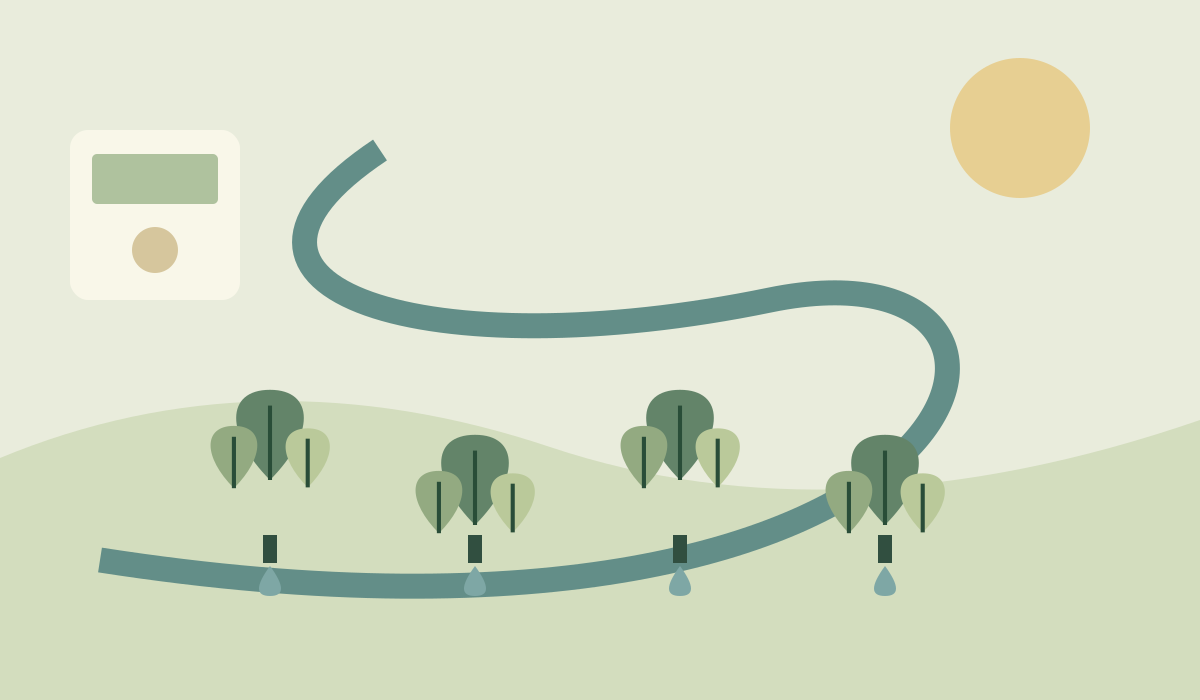
Drought-tolerant plants still need establishment care. Plan how you will water new roots before removing an existing irrigation line, and inspect the soil rather than assuming the plant can fend for itself. Use an appropriate mulch without piling it against trunks or crowns.
Begin with one clearly bounded area. Photograph it, note which plants settle in well, and expand when the first section is working. A yard that uses less water should also be a yard you understand.
Keep learning
Further reading and regional guidance:
A little care, a little curiosity, and room to keep growing.